
What is Cross-Hatching?
- diegocardoso1
- Dec 3, 2023
- 2 min read
Cross-hatching is a remarkable drawing technique employed to create a dynamic value range and infuse texture into drawings. Artists deploy parallel lines that intersect, forming a hatched effect. This technique isn't confined to a specific medium; it seamlessly weaves its magic with ink, pencil, etching tools, and more.
Playing with Lines for Unique Effects
The beauty of cross-hatching lies in its adaptability. By varying the direction, spacing, and density of lines, artists can conjure diverse effects—impressions of form, volume, light, and shadow. Different line directions, whether diagonal, vertical, or horizontal, offer intriguing visual outcomes.

Creating Dimension on a Two-Dimensional Canvas
Cross-hatching isn't merely a shading technique; it's a gateway to the illusion of three-dimensionality on a flat surface. The closer the lines, the darker the area; the more spacious, the lighter. It's a dance of lines that breathes life into static drawings.
Benefits of Cross-Hatching
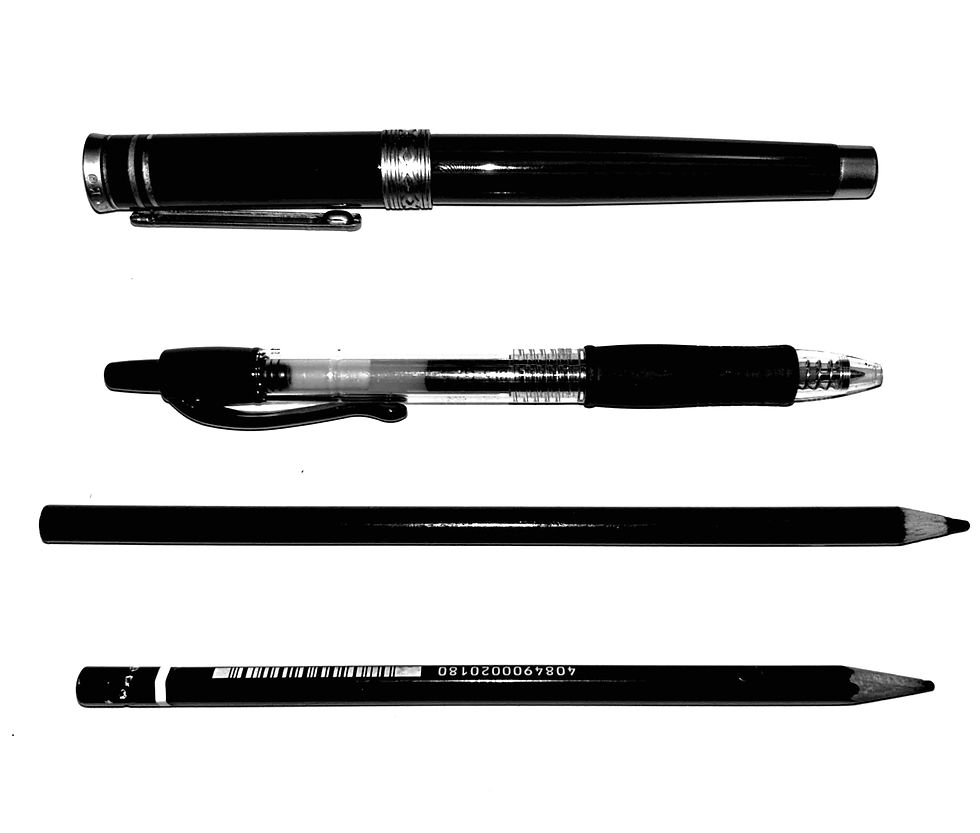
One of the key advantages of cross-hatching is its versatility. Unlike tonal shading, which relies on pressure variations, cross-hatching allows artists to represent light and shadow without specific tonal tools. Fountain pens, ink liners, or etching tools become the wielder's instruments of choice.

Tips and Tricks to Master the Technique Embarking on your cross-hatching journey? Here are some tips:
Experiment with line thickness and closeness to represent light, shadow, and form.
Choose the direction of your hatching for specific effects: flatness, height, or dynamism.
Embrace curved lines to complement the contours of your subject.
Combine cross-hatching with other techniques for textured drawings.
Don't shy away from repetition to darken areas or create texture.
The more details, small or big, the better the whole picture will be
Putting Cross-Hatching into Practice
As you master shading simple shapes, challenge yourself with still life arrangements. The versatility of cross-hatching becomes apparent when drawing organic subjects like fruit or exploring the intricacies of landscapes. As you try your hand at cross-hatching, try to refrain from using pencils. This will train your brain to not use standard methods for shading.


Comments