The Art of Scribbling
- diegocardoso1
- Dec 3, 2023
- 2 min read
The term scribbling often carries misconceptions of chaos and childishness but here I will show you the unique capabilities within what I like to call 'fluid scribbling.' Almost like contour drawing, this technique comes with its own emotion to it, just without limitations. This technique is fairly new to me as I have only used it for a full piece once and I was inspired by a schizophrenic artist @xoradmagical who introduced me to this style, here I will show you how you can use it.
A Form of Artistic Freedom
The scribbling drawing technique is a form of art where the artist uses random, uncontrolled lines to create patterns and textures. It involves using a pencil or pen to draw freely and spontaneously without any interruption or hesitation.

In this piece specifically, I had a plan to create numerous faces but it wasnt until I began when I started to see a 'vision.'
Benefits of Scribbling Drawing Technique: Scribbling offers various advantages for artists and non-artists alike:
Increases Creativity and Spontaneity: By letting go of control, scribbling allows for free and spontaneous exploration of creativity, fostering new ideas and perspectives.
Builds Drawing Skills: Practicing hand-eye coordination and the ability to create cohesive patterns and compositions.
Can be Therapeutic and Stress-relieving: Engaging in scribbling can be a relaxing and therapeutic activity, providing a sense of calm and allowing individuals to focus on the present moment.
Challenges of Scribbling Drawing Technique: While scribbling is a liberating technique, it comes with its set of challenges:
Letting Go of Control and Perfectionism: Overcoming the need for perfect lines and shapes, trusting instincts, and letting the hand move freely.
Creating Cohesive Patterns and Compositions: Developing the ability to use scribbles to create harmonious patterns and compositions.
Tips for Beginners
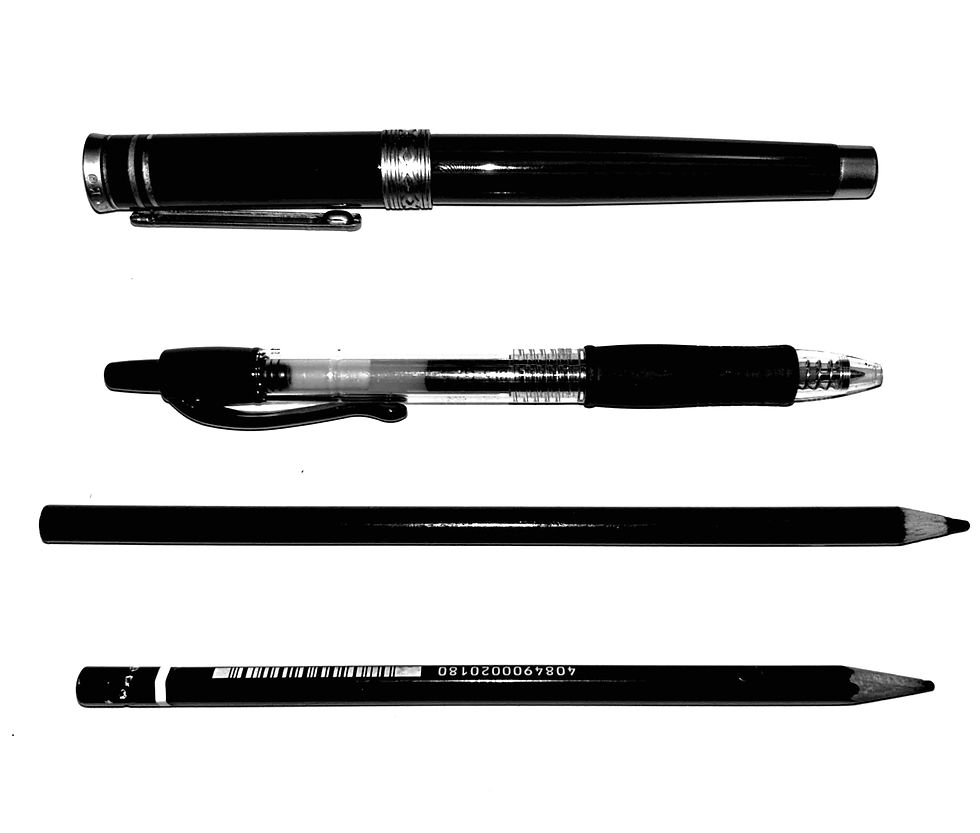
Experiment with different tools and materials to see what works best for you.
Don’t worry about making mistakes or producing a “perfect” drawing. The point of scribbling is to be spontaneous and loose.
Practice regularly to improve your skills and develop your own style.
Vary the thickness, length, and closeness of your lines to achieve different effects. Experimenting with line variations adds depth and visual interest to your scribbling drawings.
Start Drawing Loosely and Spontaneously:
The essence of scribbling lies in the freedom of expression. Release any concerns about creating perfect lines or shapes. Instead, let your hand and shoulder move freely, allowing the pencil or pen to traverse the paper in spontaneous, uncontrolled motions. Embrace the unpredictability and discover the unique patterns that emerge.
Keep Drawing Until Satisfied:
Unlike structured drawing techniques, there's no predetermined timeframe for scribbling drawings. Continue the process until you feel satisfied with the overall composition. This is an opportunity to explore your creativity without constraints and let the drawing evolve organically.
Examine and Add Details:
Once you've completed the initial scribbling phase, take a moment to examine your drawing. Observe the patterns and textures that have emerged. If you feel inspired to enhance certain areas or add more details, go ahead. Scribbling is a dynamic process, and adding layers or adjusting lines can bring depth and complexity to your creation.


Comments